Boost Grafana Alerts: Easy Labeling For Smarter Monitoring
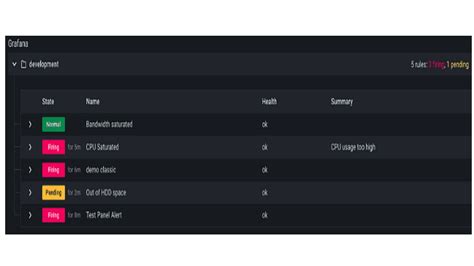
Boost Grafana Alerts: Easy Labeling for Smarter Monitoring
Hey there, fellow monitoring enthusiasts! Ever found yourself drowning in a sea of Grafana alerts, struggling to figure out which one matters most or where exactly it’s coming from? You’re not alone, guys . Managing a robust monitoring system can quickly become a headache without proper organization. That’s where Grafana labels swoop in like a superhero to save your day. Today, we’re diving deep into the world of Grafana alert labeling – a super powerful feature that helps you categorize, filter, and route your alerts with precision. Trust me, once you master this, your Grafana alerting experience will transform from chaotic to controlled, making your operational life significantly easier and more efficient. We’re talking about making your monitoring smarter , faster , and way more actionable . So, let’s get into it and learn how to truly optimize your Grafana alerts by adding the right labels.
Why Labels Are Your Best Friend in Grafana Alerts
When we talk about
Grafana alerts
, the first thing that usually comes to mind is getting notified when something goes wrong. But beyond just receiving a notification, understanding the
context
and
priority
of that alert is absolutely crucial. This is precisely where
Grafana labels
shine. Think of labels as highly descriptive tags you attach to your alerts. Instead of a generic “CPU usage high,” a well-labeled alert might tell you “CPU usage high on production database server
db-prod-01
in
us-east-1
for
customer-x
.” See the difference? That’s the power of labels, making your alerts immediately more informative and actionable. They are a
game-changer
for anyone serious about effective monitoring and incident response. This fundamental shift from mere notifications to rich, contextual insights is what makes labels an indispensable tool in your observability toolkit. Without them, you’re essentially flying blind in a data storm, trying to decipher cryptic messages when seconds count during an outage.
Labels provide several profound benefits for your alerting strategy. Firstly, they bring unparalleled
organization
. Imagine you have hundreds of alerts firing across various services, environments, and teams. Without labels, it’s a messy pile, difficult to sort through. With labels like
environment:production
,
severity:critical
,
team:backend
,
service:auth
,
region:eu-west-1
, or
component:database
, you can quickly sift through the noise and identify the most pressing issues relevant to
your
team or service. This
categorization capability
is invaluable, especially in large, complex infrastructures with multiple teams, microservices, and geographic deployments. It’s like having a highly organized, searchable filing system for every single alert that fires off, allowing you to instantly focus on what matters most. This systematic approach reduces cognitive load during high-pressure situations, enabling faster and more accurate decision-making. Furthermore, consistent labeling supports clear auditing trails and easier post-mortem analysis, helping you learn from incidents and prevent future occurrences.
Secondly,
Grafana labels enable sophisticated filtering and routing
. This is probably one of the most impactful uses. Instead of sending
all
alerts to
everyone
, which quickly leads to alert fatigue and ignored notifications, you can configure your notification policies to only send specific alerts to specific teams or individuals based on their assigned labels. For example, all alerts with
team:frontend
and
severity:high
can go directly to the frontend team’s Slack channel, while
severity:critical
alerts for
environment:production
might page the on-call engineer directly, regardless of the team. This targeted delivery mechanism significantly reduces unnecessary noise and ensures that the right people get the right information at the right time, preventing unnecessary disruptions and fostering a more focused incident response. This fine-grained control is a hallmark of a mature monitoring system and directly contributes to a healthier on-call rotation. It allows you to build a system where alerts are not just signals, but intelligently routed communications tailored to the recipient’s role and responsibility. You can even use labels to suppress low-priority alerts during off-hours for certain teams, further enhancing work-life balance.
Furthermore, labels add
rich context
to your alerts. When an alert fires, the labels attached to it provide immediate, at-a-glance information about what the alert is for, its importance, the affected component, and even operational metadata like a runbook URL. This context eliminates guesswork and allows responders to jump straight into troubleshooting without having to dig for additional information. It’s like having a mini-briefing attached to every single alert, ensuring everyone is on the same page from the moment they receive the notification. This contextual information can include anything from
datacenter:dc1
to
owner:john.doe
, giving you an immediate understanding of the scope and ownership of the problem. Such detail helps prioritize actions, assign tasks effectively, and potentially even automate initial troubleshooting steps. The clarity provided by well-crafted labels means less time wasted asking
