Iowa Tornadoes Last Night: Impact, Safety, & Recovery\n\n## The Night Iowa Held Its Breath: Understanding Last Night’s Tornadoes\n\nHey guys, let’s talk about what happened last night in Iowa.
The news cycles have been absolutely buzzing
with updates about the
Iowa tornadoes
that swept through our beautiful state. For many, it was a night of anxiety, fear, and uncertainty as severe weather warnings blared across phones and televisions. While we’re still getting the full picture, it’s clear that several communities faced the wrath of Mother Nature, experiencing significant damage and disruptions. These weren’t just ordinary thunderstorms; we’re talking about powerful, destructive tornadoes that carved paths through neighborhoods, leaving devastation in their wake. It’s a sobering reminder of the raw power of nature and how quickly things can change. The initial reports suggest a widespread impact, affecting multiple counties and leaving many residents scrambling for safety and, in some cases, for shelter. Our thoughts are with everyone who was directly impacted by these terrifying storms.\n\nUnderstanding the scale of these
recent Iowa tornadoes
is crucial. Emergency services were stretched thin, working tirelessly through the night to respond to calls for help, rescue those trapped, and assess the immediate damage. We saw incredible bravery from first responders and local citizens alike, all rallying together in the face of adversity. This kind of event really brings out the best in people, showing the strong community spirit that Iowa is known for. Many folks woke up to a vastly different landscape than they went to sleep with, highlighting the sudden and unpredictable nature of these extreme weather events. It’s not just about the physical damage; there’s a huge emotional toll that comes with experiencing something like this. The sounds, the fear, the aftermath – it all leaves a lasting impression. We’ll dive deeper into the specific areas affected and the ongoing relief efforts, but for now, let’s acknowledge the sheer force of these events and the resilience of everyone caught in their path. It’s important to remember that during such times, staying informed through
official channels
is paramount to ensure your safety and that of your loved ones. We’re here to help you navigate the aftermath and understand what steps come next. This isn’t just a weather story; it’s a human story about overcoming challenges and rebuilding stronger.\n\n## Unpacking the Impact: Where Did These Iowa Tornadoes Hit Hardest?\n\nAlright, let’s get into the specifics of where these
Iowa tornadoes
really made their mark. While the full scope is still under assessment, initial reports indicate that several communities, particularly in central and western Iowa, bore the brunt of these powerful storms. Towns like
Greenfield
,
Adams County
, and parts of
Pottawattamie County
have been frequently mentioned in news updates, showcasing the most significant
property damage
and infrastructural challenges. The devastation in some areas is truly heartbreaking; homes have been flattened, businesses destroyed, and vital community structures, such as schools and hospitals, have sustained considerable damage. Power outages became widespread almost immediately following the tornado touchdowns, plunging thousands of residents into darkness and further complicating emergency response efforts. It’s a testament to the community spirit that neighbors were checking on neighbors, sharing flashlights, and offering whatever help they could even before official aid could arrive en masse.\n\nThe economic impact of these
devastating Iowa tornadoes
will be substantial. Farmers, a backbone of Iowa’s economy, have reported severe damage to crops, barns, and machinery, adding another layer of complexity to the recovery process. The sheer volume of debris—twisted metal, splintered wood, and personal belongings—is overwhelming, requiring massive cleanup efforts that will take weeks, if not months. Road closures due to downed power lines and extensive debris fields have also hampered travel and aid delivery, making it challenging for resources to reach the most affected areas quickly. Beyond the immediate physical destruction, there’s the long-term emotional and psychological impact on residents. Losing your home, your possessions, and the sense of security can be incredibly traumatic. We’re seeing an outpouring of support from across the state and beyond, with numerous organizations mobilizing to provide food, shelter, and comfort to those displaced. It’s a stark reminder that when these
powerful storms
hit, they don’t just damage buildings; they disrupt lives. The challenge now is to consolidate resources, streamline aid, and ensure that every single person affected knows they are not alone in this journey of recovery. The resilience of Iowans, however, is shining through, with countless stories emerging of courage, generosity, and unwavering determination to rebuild what was lost and emerge stronger than ever before. We’re all in this together, guys, ready to lend a hand and support our fellow Iowans.\n\n## Safety First, Always: What to Do Before, During, and After an Iowa Tornado\n\nLet’s be real, guys, when
Iowa tornadoes
threaten,
safety is non-negotiable
. Being prepared is your best defense against these unpredictable and powerful storms. Before a tornado even thinks about touching down, you should have a solid
emergency preparedness
plan in place. This means knowing where your designated safe spot is – ideally, a basement or an interior room on the lowest floor of your home, away from windows. Practice your tornado drill with your family so everyone knows exactly what to do and where to go. Assemble an emergency kit with essentials like water, non-perishable food, a battery-powered radio, flashlights, extra batteries, a first-aid kit, copies of important documents, and any necessary medications. Don’t forget a whistle to signal for help and a phone charger. Keep your cell phone charged, and consider investing in a weather radio that can alert you even if power goes out. Staying informed through local news and weather apps is crucial for monitoring conditions and receiving
tornado warnings
as soon as they are issued. These proactive steps can make all the difference when seconds count, potentially saving lives and minimizing injuries.\n\nDuring a tornado warning, the absolute priority is to seek shelter immediately. If you’re at home, head to your predetermined safe spot. If you don’t have a basement, an interior bathroom or closet is a good alternative. Get under something sturdy, like a heavy table, and cover your head and neck with your arms. If you’re in a mobile home or vehicle, evacuate immediately to the nearest sturdy building or a designated tornado shelter. These structures offer little to no protection from a direct hit. If you’re outdoors and can’t get to shelter, lie flat in a ditch or other low-lying area and cover your head.
Never try to outrun a tornado in a car
; their paths are too erratic, and flying debris is a major hazard. The key here is to remain calm, follow your plan, and prioritize your personal safety above all else. Remember, a tornado warning means a tornado has been sighted or indicated by radar, so the threat is imminent and very real. Don’t waste time trying to gather belongings; just get to safety as quickly as possible.\n\nAfter the immediate danger has passed, the work of recovery begins. Once it’s safe to emerge, assess your surroundings for hazards like downed power lines, gas leaks, and structural damage before moving through your property. Wear sturdy shoes and thick gloves to protect yourself from debris. Check on family members and neighbors, offering help where you can. Report any injuries to emergency services. Document damage to your property with photos or videos for insurance claims. Be wary of scammers offering quick fixes; always verify credentials of contractors. It’s also vital to prioritize your mental health. Experiencing a tornado can be traumatic, so don’t hesitate to seek support if you’re struggling with anxiety or distress. Resources are available, and reaching out is a sign of strength, not weakness. The community will come together for
recovery efforts
, and being part of that collective support can be incredibly healing. Your resilience will shine through, and remember, we’re all here to help each other through these challenging times. Every step, big or small, contributes to the overall healing and rebuilding process.\n\n## Looking Ahead: Rebuilding and Resilience in Iowa’s Tornado-Stricken Areas\n\nGuys, after the dust settles from these recent
Iowa tornadoes
, the focus quickly shifts from immediate survival to the long, arduous, but incredibly important process of
rebuilding and recovery
. It’s not just about repairing homes and infrastructure; it’s about mending spirits, restoring hope, and strengthening the social fabric of communities that have been deeply shaken. The journey to recovery is a marathon, not a sprint, and it requires sustained effort, resources, and unwavering commitment from everyone involved. Local, state, and federal agencies will play a crucial role in coordinating aid, but the true engine of recovery often lies within the affected communities themselves. We’re already seeing incredible acts of altruism and solidarity, with volunteers flocking to help clear debris, distribute aid, and offer comfort to those who have lost so much. This powerful demonstration of
community resilience
is what truly defines Iowa in times of crisis.\n\nOne of the first steps in
rebuilding efforts
involves thorough damage assessment. This helps determine the scale of the destruction, identifies areas needing the most urgent attention, and guides the allocation of resources. Insurance adjusters will be working tirelessly, and it’s important for homeowners and business owners to have their documentation in order to facilitate claims. Beyond financial aid, there’s a huge need for practical support: volunteers to help with cleanup, skilled tradespeople to assist with repairs, and donations of essential supplies. Organizations like the American Red Cross, local food banks, and various church groups are on the ground, providing immediate relief and setting up longer-term support systems. It’s vital that everyone affected knows where to access these resources and that they don’t hesitate to ask for help. We, as a wider community, have a responsibility to support these efforts, whether through donations, volunteering our time, or simply offering a kind word to those who are hurting. The spirit of Iowans is incredibly strong, and while these storms have tested that strength, they won’t break it. We will come back stronger, together.\n\nLooking forward, this period of rebuilding also presents an opportunity to implement more resilient building practices. As we reconstruct, there’s a chance to build smarter and safer, incorporating features that can better withstand future severe weather events. This might include stronger roofing materials, reinforced safe rooms, or updated building codes. Education on
weather awareness
and preparedness will also be reinforced, ensuring that more Iowans are equipped with the knowledge and tools to protect themselves and their families when the next storm threatens. The scars of these
Iowa tornadoes
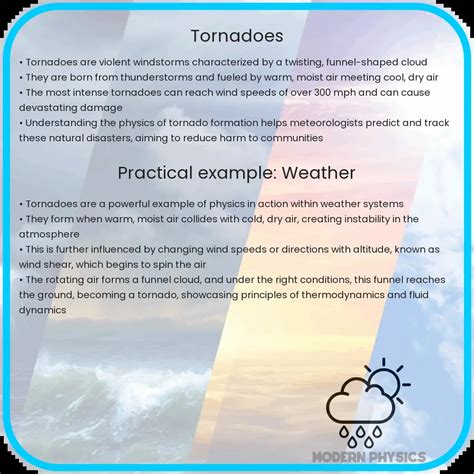
will remain, a stark reminder of nature’s power, but they will also be a testament to the indomitable spirit of those who faced adversity head-on and worked tirelessly to restore their communities. The path ahead is challenging, but with collective effort and a shared sense of purpose, Iowa’s tornado-stricken areas will not only recover but thrive once more, demonstrating true grit and determination for all to see. Our focus is on lifting each other up and ensuring that no one is left behind in this critical journey.\n\n## The Science Behind the Storms: Why Iowa Gets Tornadoes\n\nEver wonder why places like Iowa seem to be a magnet for
tornadoes
? It’s not just bad luck, guys; there’s some pretty fascinating
weather patterns
and meteorological science at play here. Iowa sits squarely within what’s often referred to as
