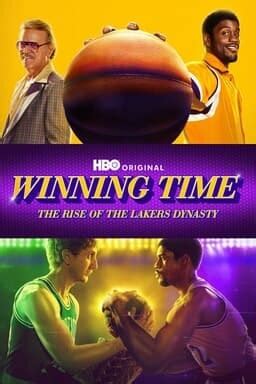
Unpacking Winning Time: Lakers Dynasty’s Epic RiseGuys, have you ever wondered how the
Los Angeles Lakers
went from a solid team to an absolute
dynasty
, completely dominating the 1980s and changing the game of basketball forever? Well, get ready because HBO’s
Winning Time: The Rise of the Lakers Dynasty
is here to tell you that story in the most electrifying, stylish, and yes, sometimes controversial way possible. This series isn’t just a sports drama; it’s a vibrant, fast-paced dive into an era where basketball truly became entertainment, where celebrity met competition, and where a visionary owner and a charismatic rookie changed everything. We’re talking about the birth of
Showtime
, a period synonymous with glitz, glamour, fast breaks, and championship after championship. It’s a show that captures the essence of that
Lakers dynasty
, exploring the personalities, the conflicts, the sheer ambition, and the wild ride that cemented their place in sports history.From the moment
Winning Time
kicks off, you’re immediately thrown into the vibrant, often chaotic, world of the late 1970s and early 1980s. The series focuses heavily on the arrival of
Dr. Jerry Buss
, played with incredible charisma and depth by
John C. Reilly
. Buss, a larger-than-life entrepreneur with a love for parties, women, and, most importantly, winning, buys the
Lakers
with a grand vision: to turn basketball into an experience, a spectacle unlike anything seen before. He wasn’t just buying a team; he was buying a stage for his grandest ambitions. And then, there’s the pivotal moment: the drafting of
Earvin ‘Magic’ Johnson
, portrayed brilliantly by
Quincy Isaiah
. Magic isn’t just a player; he’s a force of nature, a smiling assassin on the court whose no-look passes and infectious energy redefine the point guard position. His arrival is the spark that ignites the
Showtime Lakers
, setting the stage for a decade of unparalleled dominance. The show masterfully weaves together the personal struggles and triumphs of these key figures, alongside other legends like
Kareem Abdul-Jabbar
, played with subtle power by
Solomon Hughes
, and future coaching icon
Pat Riley
, brought to life by
Adrien Brody
. It’s a compelling narrative of how different personalities, often clashing, came together to forge something truly extraordinary, laying the groundwork for one of the most memorable
dynasties
in sports. The series manages to make even the boardroom meetings feel as intense and high-stakes as the championship games, revealing the true strategic genius behind the
Lakers’
epic rise. You see, this wasn’t just about talent; it was about vision, daring, and an unwavering commitment to pushing the boundaries of what a sports franchise could be. It’s a fantastic entry point for anyone curious about the
Lakers’
incredible journey and the cultural impact they had, painting a vivid picture of a truly transformative era in sports. We’re talking serious history, guys, but made super digestible and fun.### The Star-Studded Cast: Bringing Legends to LifeSeriously, one of the biggest reasons
Winning Time
truly shines is its phenomenal cast, guys. These actors don’t just mimic the
Lakers
legends; they
embody
them, bringing a nuanced and often surprising depth to characters we thought we knew. Let’s start with
John C. Reilly as Dr. Jerry Buss
. Reilly absolutely nails the audacious, flamboyant, yet ultimately brilliant persona of the
Lakers’
owner. He shows us a man who was both a party animal and a shrewd businessman, a visionary who saw basketball as pure entertainment long before anyone else did. His performance captures the essence of Buss’s ambition and his unwavering belief in the
Showtime
concept, making him the undeniable heart of the series. You can
feel
his drive to create not just a winning team, but a cultural phenomenon.Then there’s
Quincy Isaiah as Magic Johnson
. Talk about a star-making performance! Isaiah perfectly captures Magic’s infectious enthusiasm, his dazzling on-court brilliance, and his evolving understanding of what it means to be a leader and a superstar. He shows us Magic’s transition from a wide-eyed rookie to the undisputed maestro of the
Lakers’
fast-break offense, all while dealing with the pressures of fame and the expectations of a demanding owner and fan base. It’s a portrayal that goes beyond the highlights, exploring the emotional intelligence and competitive fire that truly defined Magic.And let’s not forget
Solomon Hughes as Kareem Abdul-Jabbar
. This was a tricky role, depicting a complex, often private intellectual who initially resisted the glitz and glamour of Buss’s vision. Hughes does an incredible job of showcasing Kareem’s quiet dignity, his unparalleled skill, and his gradual acceptance of his role as the elder statesman of the
Lakers dynasty
. He portrays the legendary center’s journey with a gravitas that makes his character incredibly compelling. The interactions between Kareem and Magic, as they learn to respect and complement each other’s games, are some of the most powerful moments in the series.The supporting cast is equally stellar.
Adrien Brody as Pat Riley
gives us a glimpse into the future coaching legend, initially struggling with his role but eventually finding his voice and style, becoming a crucial architect of the
Lakers’ success
.
Jason Clarke as Jerry West
delivers a fiery, often tormented performance as the general manager who practically bleeds
Lakers
purple and gold, constantly battling his own demons and the high-stakes world of professional basketball. And the actresses portraying the incredible women behind the scenes, like
Hadley Robinson as Jeanie Buss
and
Gaby Hoffmann as Claire Rothman
, add crucial layers to the narrative, showing the often-overlooked contributions and sacrifices made by the women around these powerful men.The collective talent of this cast makes
Winning Time
more than just a sports show; it’s a character study, a masterclass in ensemble acting that brings to life the vibrant personalities behind one of sports’ most iconic
dynasties
. Each actor, in their own way, contributes to painting a rich, multifaceted picture of the individuals who together forged the
Showtime Lakers
and forever changed the landscape of the NBA. They truly immerse you in the world of these legends, making you feel like you’re right there with them, experiencing every high and low of the
Lakers’ epic rise
. It’s a genuine testament to the casting and direction that every character feels so incredibly real and integral to the
Lakers’ dynasty
narrative.### Beyond the Court: Drama, Glitz, and GlamourAlright, so we’ve talked about the incredible cast and the foundational vision, but what
Winning Time
really excels at, guys, is pulling back the curtain on everything that happened
off
the court, showcasing how the
Showtime Lakers
were as much a cultural phenomenon as they were a basketball team. This series isn’t just about jump shots and slam dunks; it’s about the drama, the glitz, and the sheer glamour that transformed the
Lakers
into a global brand and cemented their
dynasty
status far beyond the hardwood.Dr. Jerry Buss’s vision for the team wasn’t limited to winning games. Oh no, he wanted to turn basketball into an event, a party, a
destination
. And
Winning Time
vividly portrays his relentless pursuit of this goal. We see the birth of the
Laker Girls
, an iconic dance troupe that added a layer of entertainment and sex appeal to the games, forever changing how professional sports events were presented. This wasn’t just about cheerleaders; it was about creating an atmosphere that drew in Hollywood stars, celebrities, and a wider audience who might not have even been die-hard basketball fans initially. The Forum became
the
place to be in Los Angeles, a nexus where sports and entertainment converged in a dazzling display.The show also dives deep into the personal lives and internal conflicts of the players and management, revealing the human side of building a
dynasty
. We witness the complex relationship between Magic Johnson and Kareem Abdul-Jabbar, two superstars with vastly different personalities who had to learn to coexist and, more importantly, to play together for the collective good of the team. Their struggles, their clashes, and their eventual bond are all central to the narrative, showing that even the greatest teams face internal friction. We also see the intricate power dynamics at play, from Buss’s bold business decisions to the struggles of coaches like Jerry West and Paul Westhead to maintain control amidst strong personalities and even stronger egos. This isn’t just a story about success; it’s about the sacrifices, the arguments, and the sheer force of will required to sustain a winning culture.Moreover,
Winning Time
fearlessly explores the societal context of the 1980s, touching upon themes of race, class, and the burgeoning celebrity culture that defined the era. The
Lakers
weren’t just a basketball team; they were a reflection of Los Angeles itself – diverse, ambitious, and always reaching for the stars. The series captures the energy of that time, from the fashion and music to the socio-political undercurrents, making the
Lakers’ epic rise
feel like an integral part of a larger cultural shift. It’s this rich tapestry of on-court action, boardroom battles, personal struggles, and vibrant cultural backdrop that makes
Winning Time
so compelling. It demonstrates that building a
dynasty
isn’t just about talent; it’s about charisma, strategy, showmanship, and a little bit of madness, all wrapped up in a package that screamed
Showtime
. It’s a compelling look at how the
Lakers
transcended sports and became a cultural touchstone, truly an epic example of how to build an enduring brand and an unforgettable
Lakers dynasty
.### Historical Accuracy vs. Creative FreedomOkay, let’s address the elephant in the room, guys: the ongoing debate surrounding
Winning Time’s
historical accuracy. This is a big one, especially when you’re dealing with real-life legends and a beloved
Lakers dynasty
. The show has faced its fair share of criticism, with some prominent figures from that era, including
Jerry West
and
Kareem Abdul-Jabbar
, expressing their dissatisfaction with how they and certain events were portrayed. They’ve argued that the series takes too many liberties, sensationalizes situations, and at times, misrepresents their characters and contributions. And honestly, it’s a totally valid point for discussion.On one hand, the creators of
Winning Time
have always maintained that the show is
